


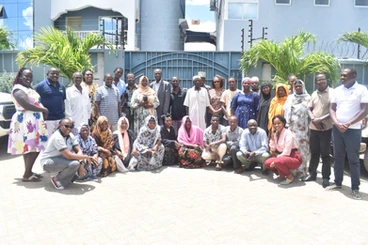
As part of its efforts to strengthen climate-resilient agriculture in East Africa, the WATDEV project successfully conducted a two-day training on Best Management Practices (BMPs) & Innovations in wider areas on 26–27 March 2026 in Laza Village, Tana River County, Kenya. The training was organised through the collective efforts of the local partner Kenya Agricultural and Livestock Research Organization (KALRO), together with CIHEAM Bari, ASARECA and in close collaboration with National Irrigation Authority and the Tana River County government.
The training brought together farmers, local stakeholders, and technical experts to enhance knowledge on sustainable agricultural water management and promote the adoption of climate-smart practices tailored to local conditions.
Tana River County holds significant agricultural potential due to its fertile soils, water resources, and expansive arable land. However, recurring climate-related challenges, particularly droughts and floods, continue to disrupt agricultural productivity and threaten livelihoods. The BMPs training aimed to address these challenges by equipping participants with practical knowledge and solutions to improve soil health, optimize water use, and enhance overall farm resilience. The sessions also created a platform for dialogue between farmers and experts, ensuring that proposed practices are both relevant and applicable in the local context.
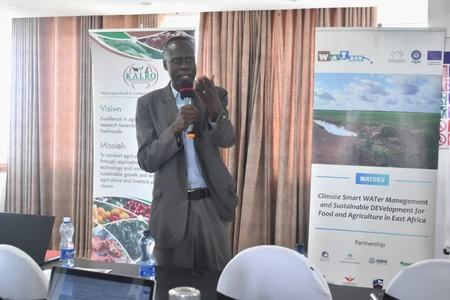
The first day of the training started with welcome remarks by Mr. Moses Odeke from ASARECA, who highlighted key climate change challenges affecting the region, including recurrent droughts and floods, soil degradation driven by flooding and water run-off, and declining water levels. He emphasized that these challenges raise critical questions on how to mitigate impacts, restore soil fertility, and use available resources more efficiently, noting that WATDEV promotes the BMPs as a pathway to address these issues.
The day focused on introducing the WATDEV project objectives and presenting the selected BMPs, including agroforestry, effective soil health management, improved crop varieties, optimized manuring techniques and efficient irrigation practices. Participants engaged in guided discussions on how these BMPs can be applied in the field and their impacts on key environmental components such as water, soil, crops, and the atmosphere.
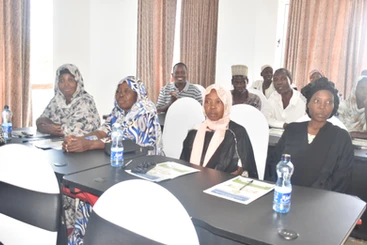
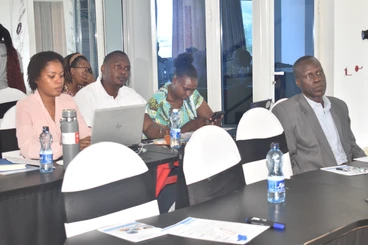
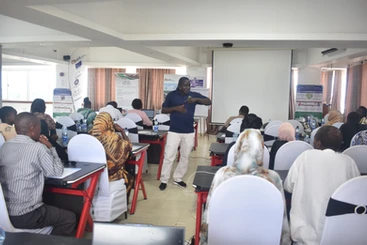
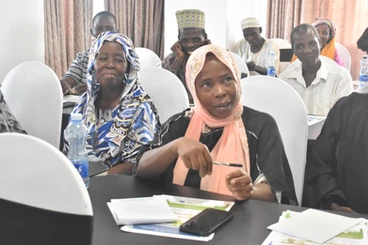
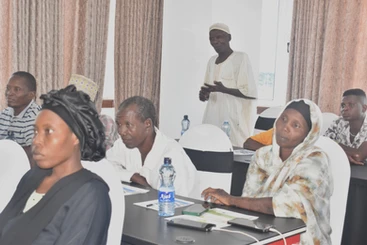
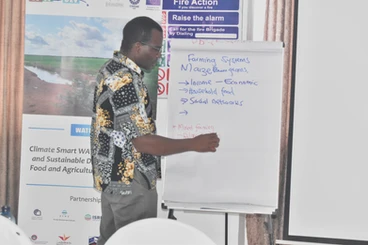
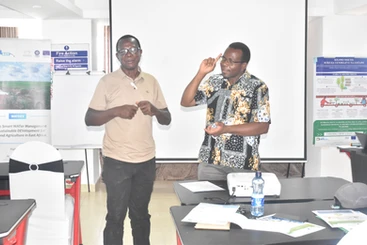
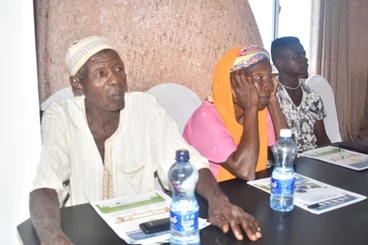
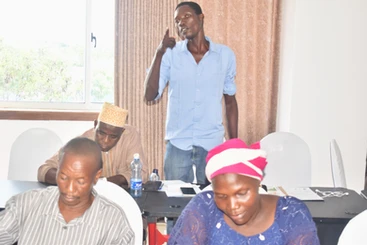
The discussions were highly interactive, with strong engagement from local farmers, particularly those previously involved in WATDEV activities, contributing their experiences and insights. This exchange ensured that the proposed practices are adapted and grounded in local realities of farming systems in Tana River County.
On the second day, participants took part in a field visit to the Laza Minor Irrigation Scheme, where BMP innovations were demonstrated in practice. The field excursion provided a hands-on learning experience, allowing farmers to observe and discuss practical interventions directly with experts. These interactions encouraged meaningful dialogue and strengthened confidence in adopting improved agricultural practices.
Throughout the training, emphasis was placed on empowering farmers with actionable knowledge. Discussions highlighted key issues such as soil degradation, inefficient water use, and the importance of soil testing in determining appropriate fertilizer application.
Farmers also shared their experiences and challenges, including the impacts of flooding on soil fertility and the need for improved farm management techniques. This participatory approach ensured that the training addressed real needs while fostering ownership among local communities.
The training demonstrated the importance of combining scientific knowledge with local experience to tackle climate-related agricultural challenges.
Funded by the European Union, under the DeSIRA Initiative, WATDEV strengthens local capacity and promoting practical solutions, by supporting farmers in building more resilient and sustainable farming systems.
These efforts contribute to unlocking the agricultural potential of Tana River County while advancing the broader goal of climate-smart water management and sustainable development in East Africa.


