

The WATDEV project has officially launched its series of regional trainings on Best Management Practices (BMPs) and Innovations in Wider Areas, starting with a two-day event held on 23–24 March 2026 in Arba Minch, Ethiopia. Organised by WATDEV local partner Water and Land Resource Center – WLRC Ethiopian, in collaboration with CIHEAM Bari and ASARECA, the training marks a significant step toward expanding WATDEV knowledge beyond initial pilot study areas and strengthening the capacity of local communities to adopt climate-smart agricultural practices.
The training focuses on disseminating and upscaling validated BMPs by translating research outcomes into practical knowledge and skills for farmers and local stakeholders. Building on the results of earlier Local Feedback Meetings, the initiative aims to support the adaptation and replication of sustainable agricultural water management solutions in new contexts.
The training brought together farmers, experts, and local actors in an interactive learning environment designed to foster knowledge exchange and community engagement.
The first day commenced with welcoming remarks by the Zone Administration Head, followed by opening remarks by Dr. Gaetano Ladisa, WATDEV Project Manager at CIHEAM-Bari, who highlighted the project’s commitment to expanding its knowledge and impact to wider communities, fostering the uptake of climate-smart and sustainable agricultural water management practices. An overview of WATDEV project and its objectives was then presented by WLRC, setting the stage for the training. Subsequently, Mr. Moses Odeke from ASARECA introduced the meeting agenda and objectives, emphasizing the importance of knowledge exchange, local engagement, and the practical adaptation of BMPs to local context as key drivers for enhancing sustainable agricultural water management.
This was followed by a comprehensive presentation of the selected BMPs in Ethiopia, which covered:
· Soil health, including composting (vermicompost and vermi-tea), Integrated Soil Fertility Management (ISFM), application of effective microorganisms, soil testing, and conservation agriculture;
· Agroforestry, highlighting opportunities for integrating tree crops such as banana, avocado, and mango;
· Irrigation and water management, focusing on the organization of water user associations, equitable water allocation, and conflict resolution mechanisms; and
· Climate-smart water and nutrient monitoring tools, including virtual irrigation approaches for efficient resource management.
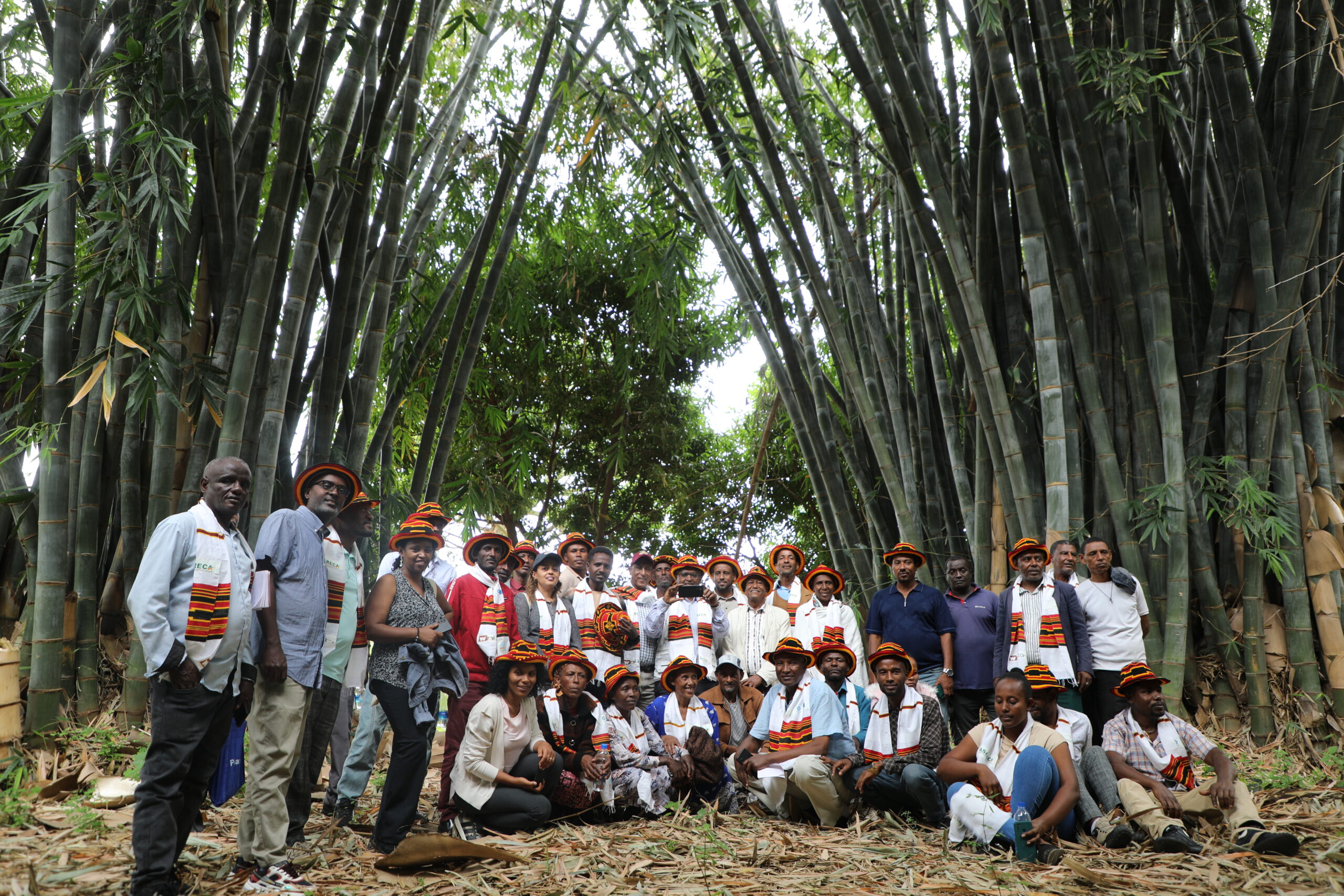
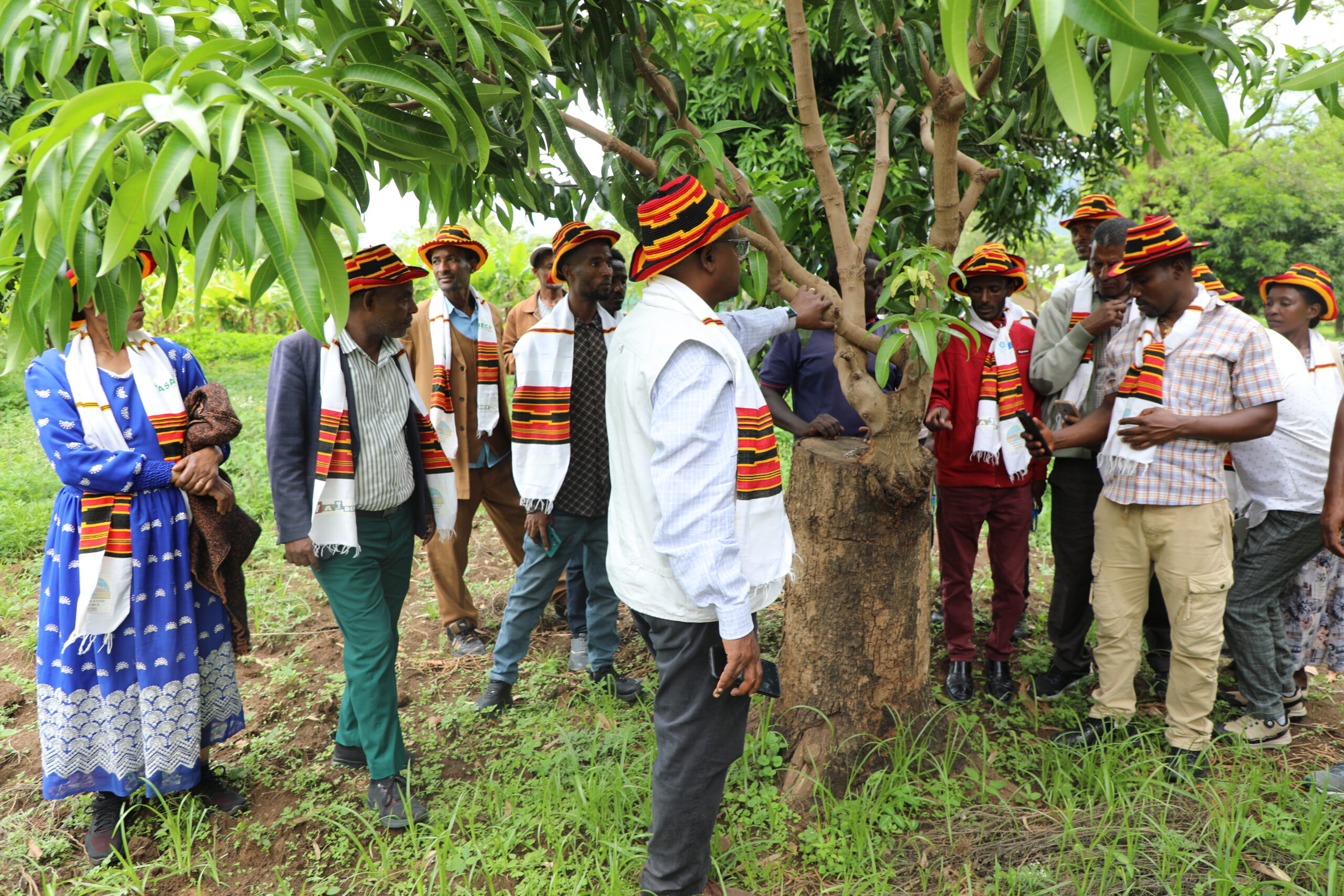
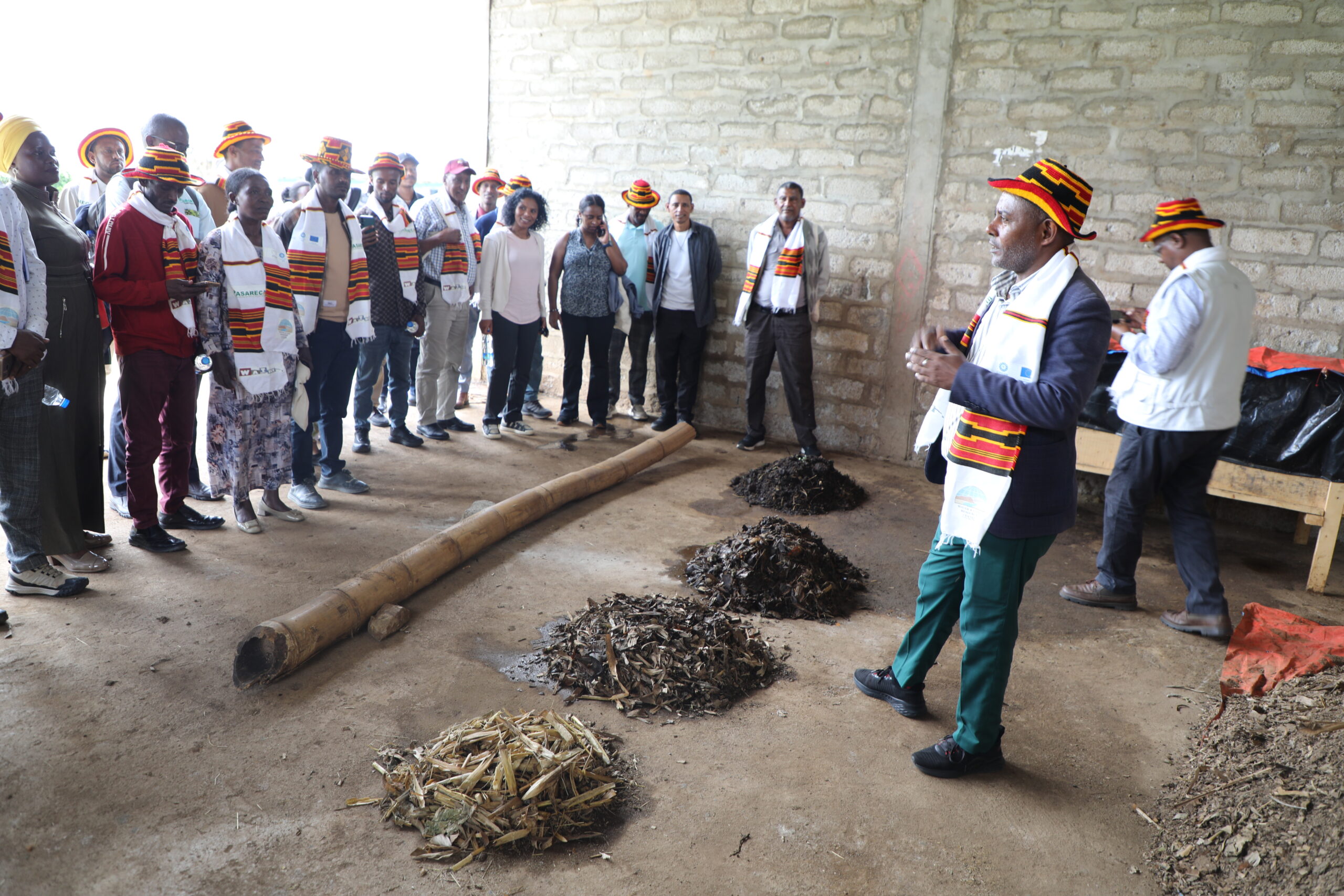
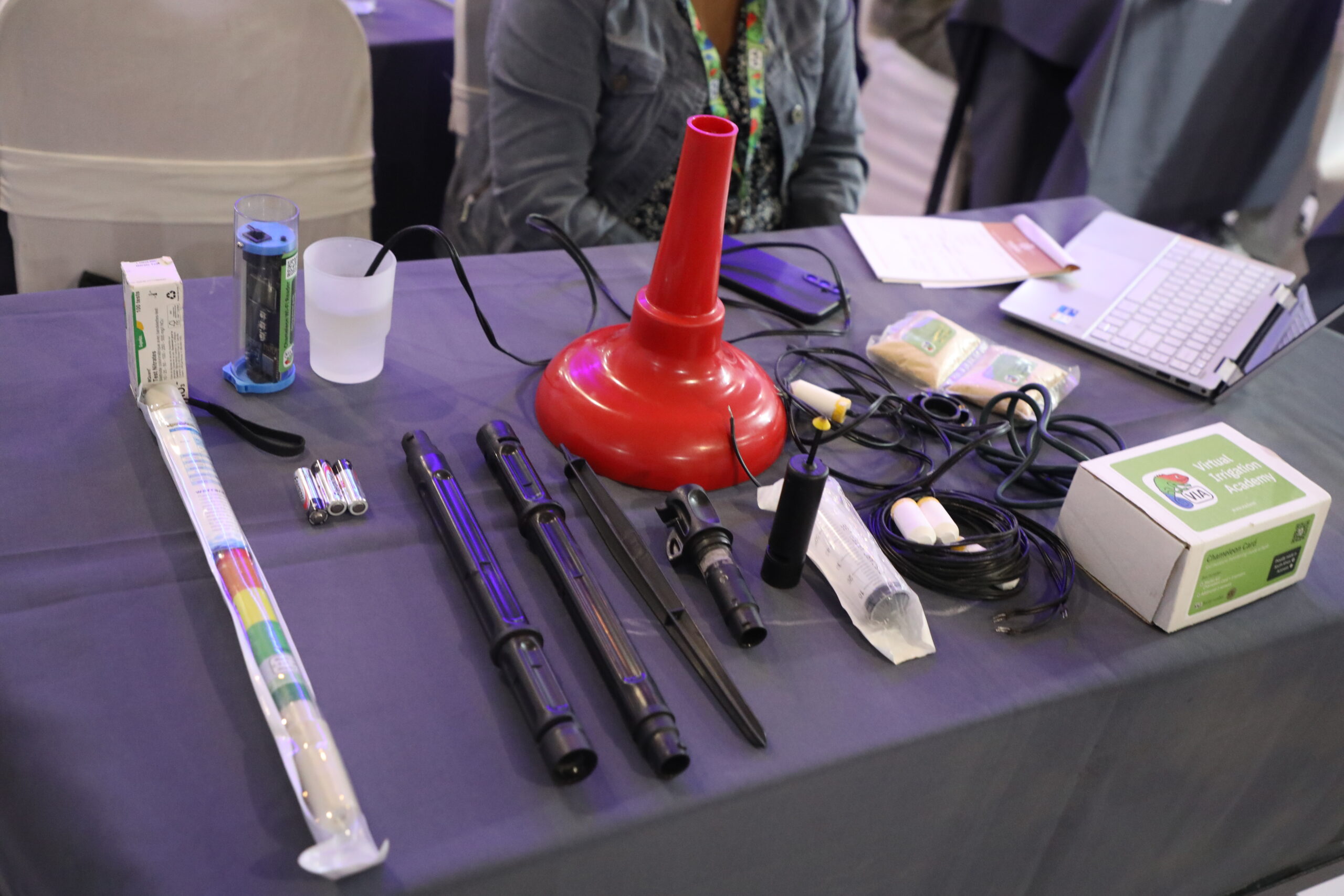
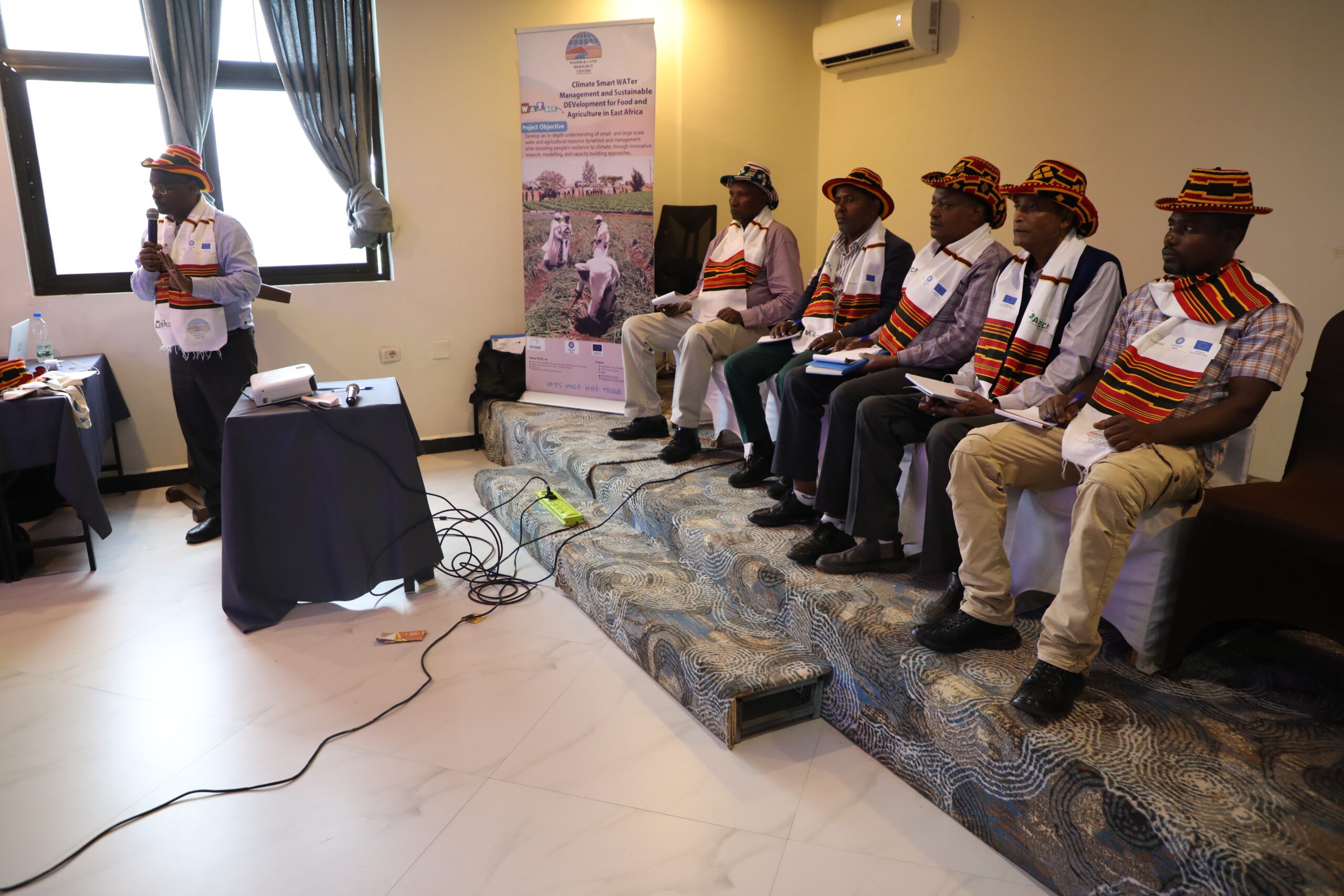
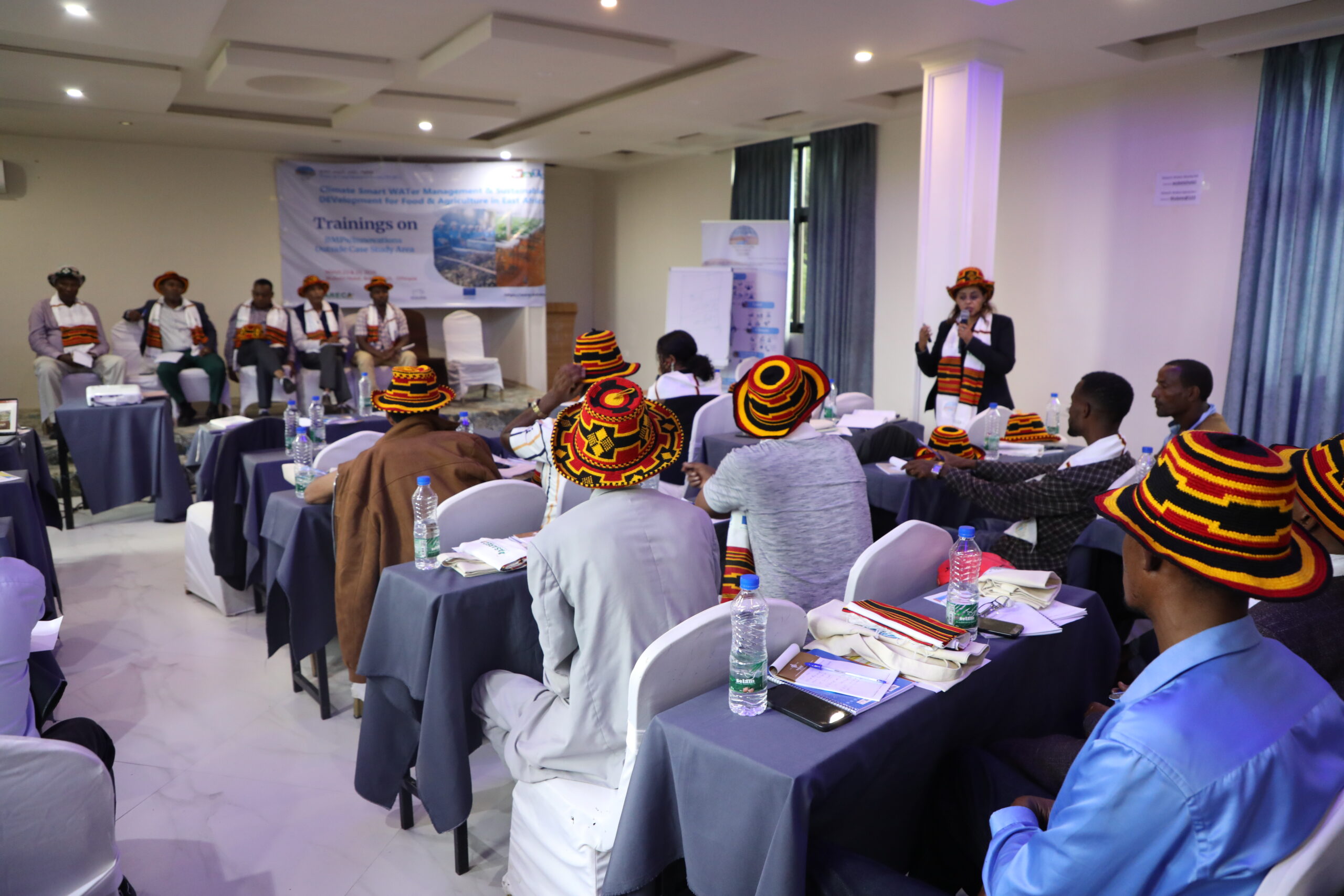
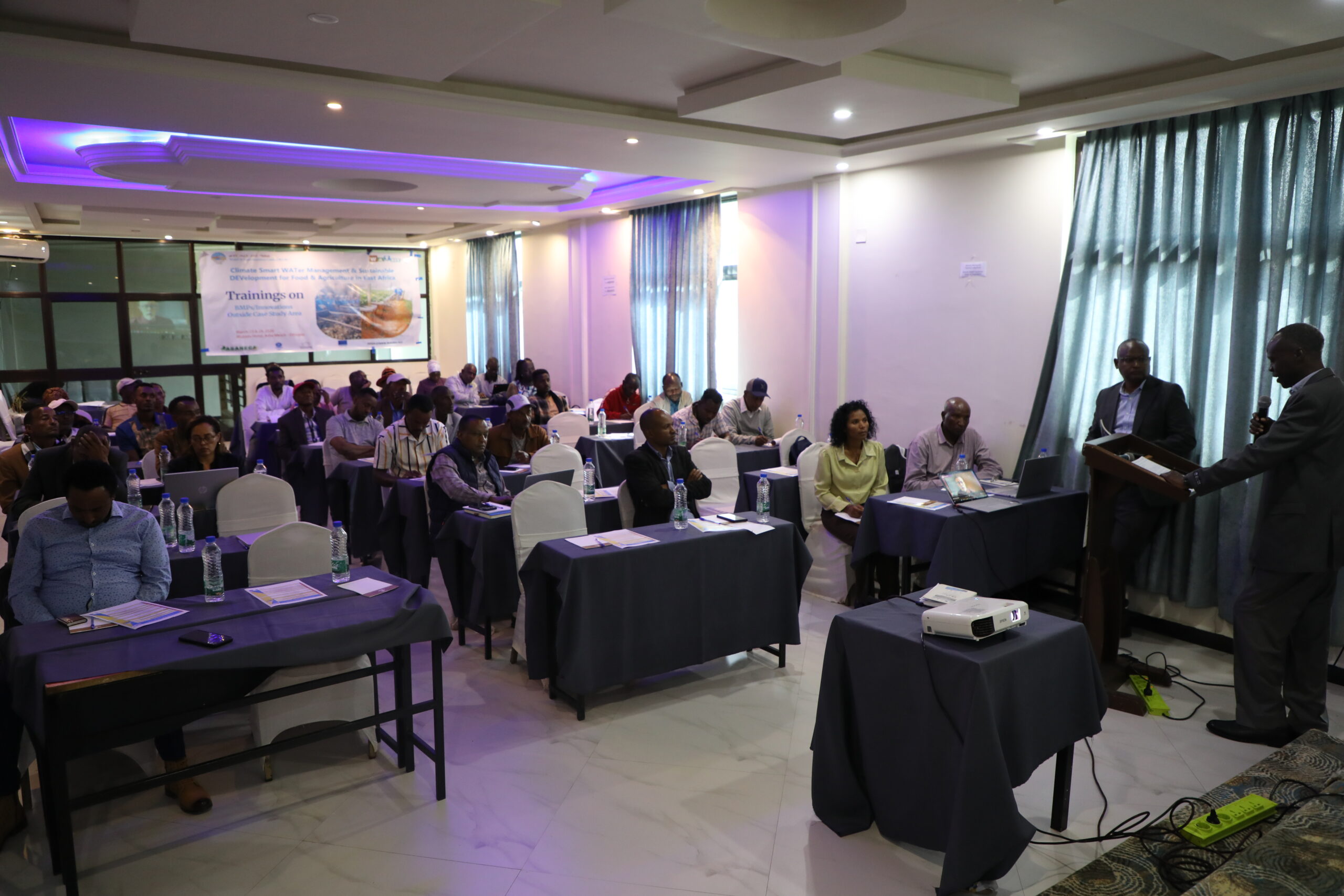
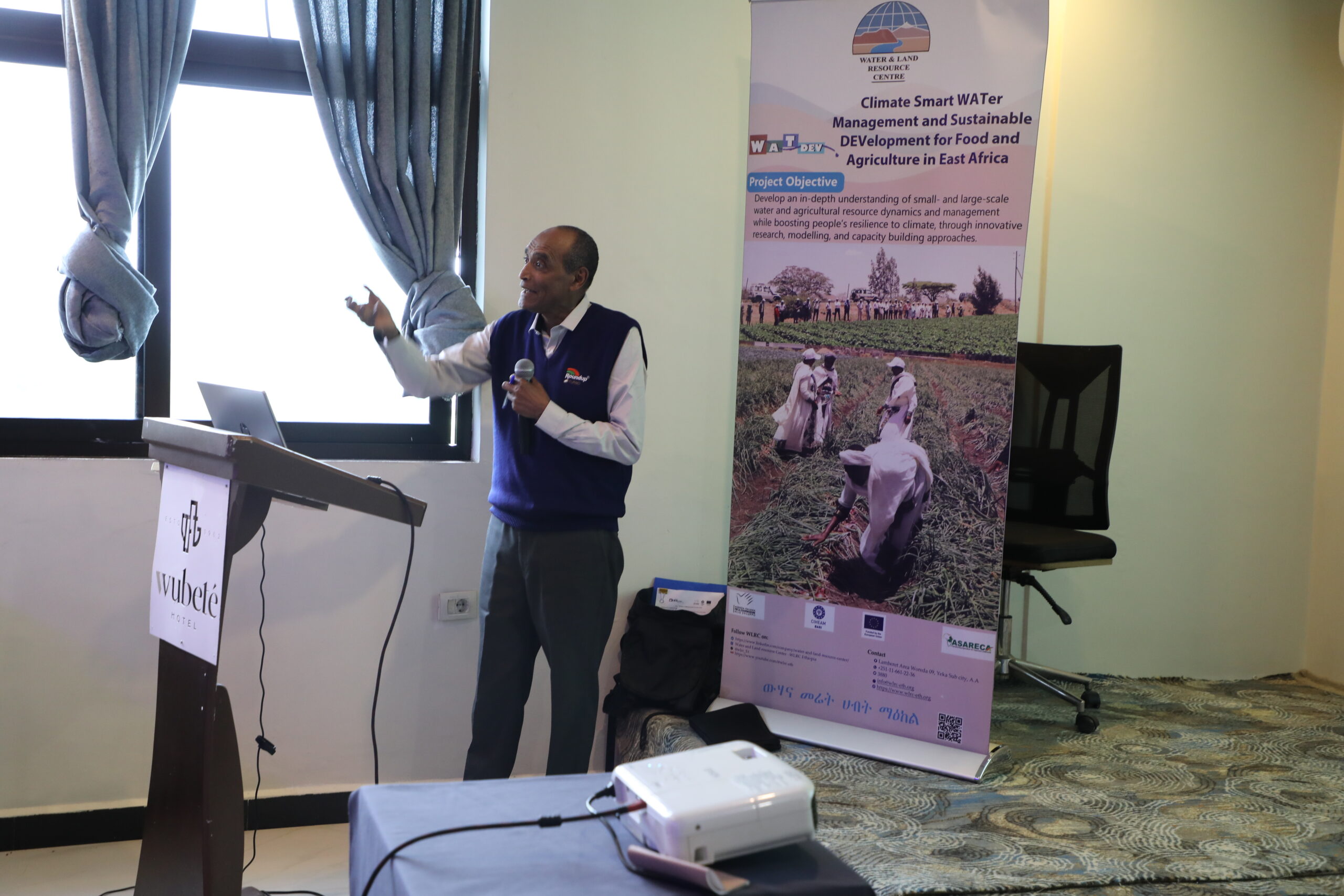
The training combined theoretical and experiential learning approaches, delivered through presentations alongside peer-to-peer knowledge exchange. Farmers from the project area (Koga) actively contributed by sharing their success stories, experiences, and lessons learned, enriching the discussions with practical, field-based perspectives.
Day 2 shifted towards hands-on implementation, featuring live demonstrations of the selected BMPs. Trainers guided participants through the preparation of vermicompost and vermi-tea, demonstrating production processes, application methods, and appropriate storage conditions.
The programme also included a field visit to Gamo nursery site, where participants explored a variety of agroforestry tree seedlings and gained insights into their integration within farming systems. In addition, farmers were introduced to solar-powered irrigation systems, highlighting sustainable water use solutions. The field visit concluded with practical demonstrations on the installation and use of soil moisture and nutrient monitoring tools, equipping participants with innovative techniques to support efficient and climate-smart farm management.
A central element of the training was its emphasis on co-creation. Through open discission and field interactions, participants were encouraged to share their experiences and insights, contributing to the refinement of the BMPs implementation approaches.
This participatory approach enabled the collection of valuable feedback on the feasibility of the BMPs, as well as the identification of key enabling factors and barriers to their adoption. While challenges such as limited access to training and financial resources were raised up, participants expressed strong interest in adopting innovative solutions, particularly climate-smart monitoring tools for improved water and nutrient management and their willing to adopt the BMPs.
By integrating local insights, the training contributes to enhancing the relevance, applicability, and scalability of BMPs across diverse contexts, in line with WATDEV’s broader objective of strengthening resilience to climate change through sustainable agricultural water management.
Funded by the European Union, under the DeSIRA Initiative, WATDEV continues to reinforce its commitment through targeted capacity-building efforts, to empower local communities with the practical knowledge and tools needed to implement innovative solutions, improve productivity, and reduce environmental impacts.


